
PHILOSOPHY
Our values
that give
value to nature
Respect for people
Gender equality is one of our company's foundations
ABAFOODS SRL has established this Gender Equality Policy according to PdR125:2022 to emphasize and share its commitment to this issue, both by respecting current regulations and by adopting the necessary internal tools to ensure cultural growth.
The company is therefore committed to:
- Respect the principles of equality and fairness present in the Constitution and national laws.
- Adopt policies and measures to promote female employment.
- Remove obstacles to effective equality between men and women in the workplace, including:
- Equal opportunities in access to employment.
- Equal pay.
- Equal access to career advancement and training opportunities.
- Implementation and awareness of paternity leave in line with best European practices.
- Promote welfare policies to support those caring for family members.
- Ensure all staff receive adequate training and information regarding diversity, inclusivity, and equal opportunities.
- Extend the culture of gender equality externally by engaging stakeholders and promoting the principles of equality and inclusion.
- Include principles of equality and equal opportunities in the recruitment and selection process.
ABAFOODS SRL is committed to adopting gender-sensitive practices in the areas of selection and hiring processes, career management, pay equity, parenting and caregiving activities, work-life balance, and prevention of harassment, also by creating a respectful workplace environment.
RESPECT FOR THE TERRITORY
Biodiversity at the basis of everything
We allow our lands to be a true force of nature.
Protecting the land’s biodiversity means preserving its richness: in the last 40 years the richness of the lands decreased by 70% due to intensive cultivation.
We’re committed to ensuring that this percentage returns close to zero, which is why we follow the rhythms of nature. We want to maintain biodiversity that is essential for our soils – and the fauna that lives there – and for our products.

OUR COMMITMENT
To protect, maintain and spread biodiversity.
This is the mission that guides our actions every day.

ZERO CHEMICAL AGENTS
We prohibit the use of chemicals that weaken soils.

NO TO MONOCULTURE
We promote organic agriculture that respects the rhythms of nature

VARIETY OF CROPS
Nine different crops that meet 2/3 of our food needs.

BIODIVERSITY
We give crops their time to harvest their quality.
FOOD TRENDS
FOOD 2.0

01
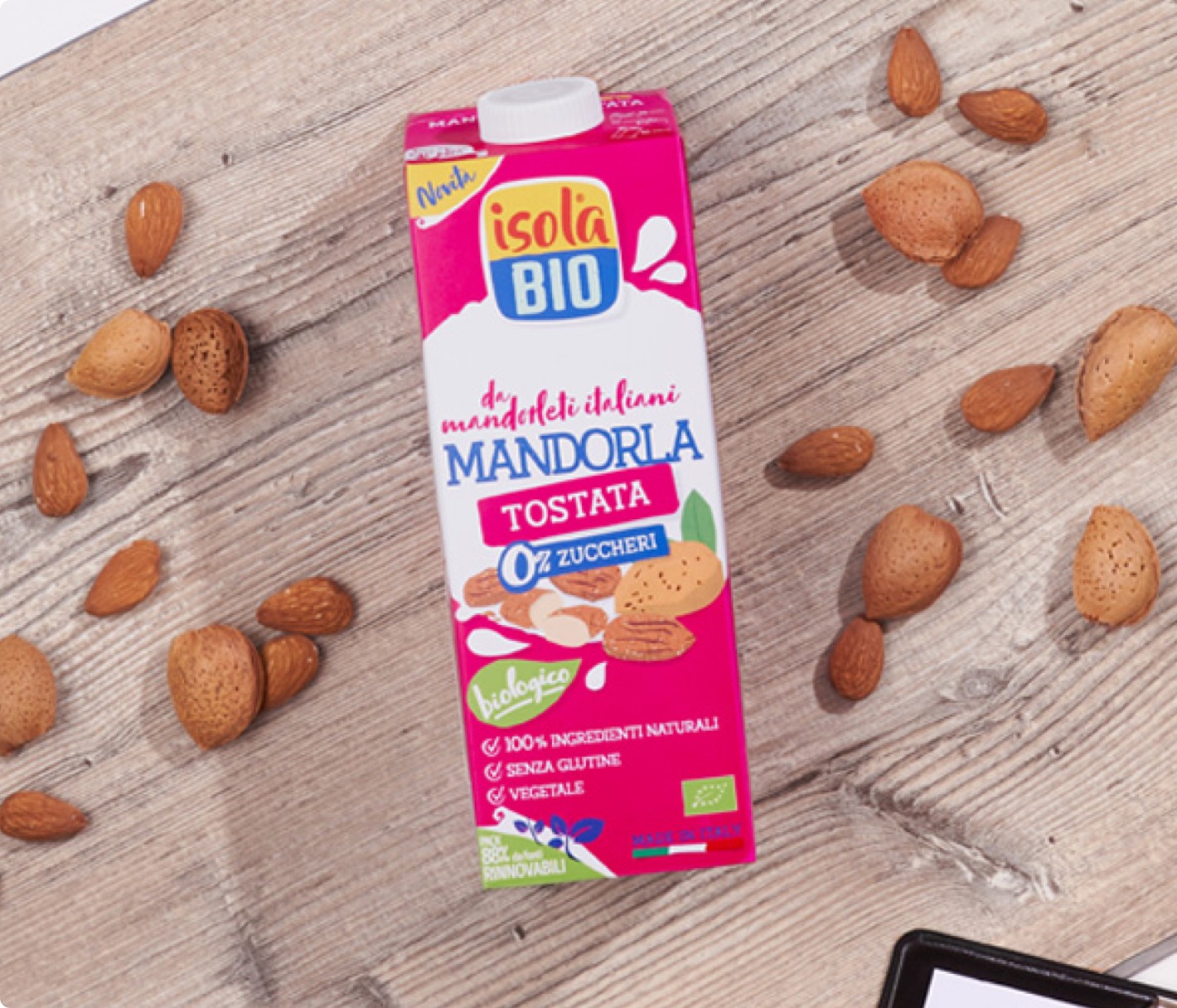
HEALTH AND WELLBEING
Health and wellness-conscious consumers are increasingly influential in redefining food culture.
Health, wellness and sustainability are beginning to converge in retail outlets and more specialised food services.
02
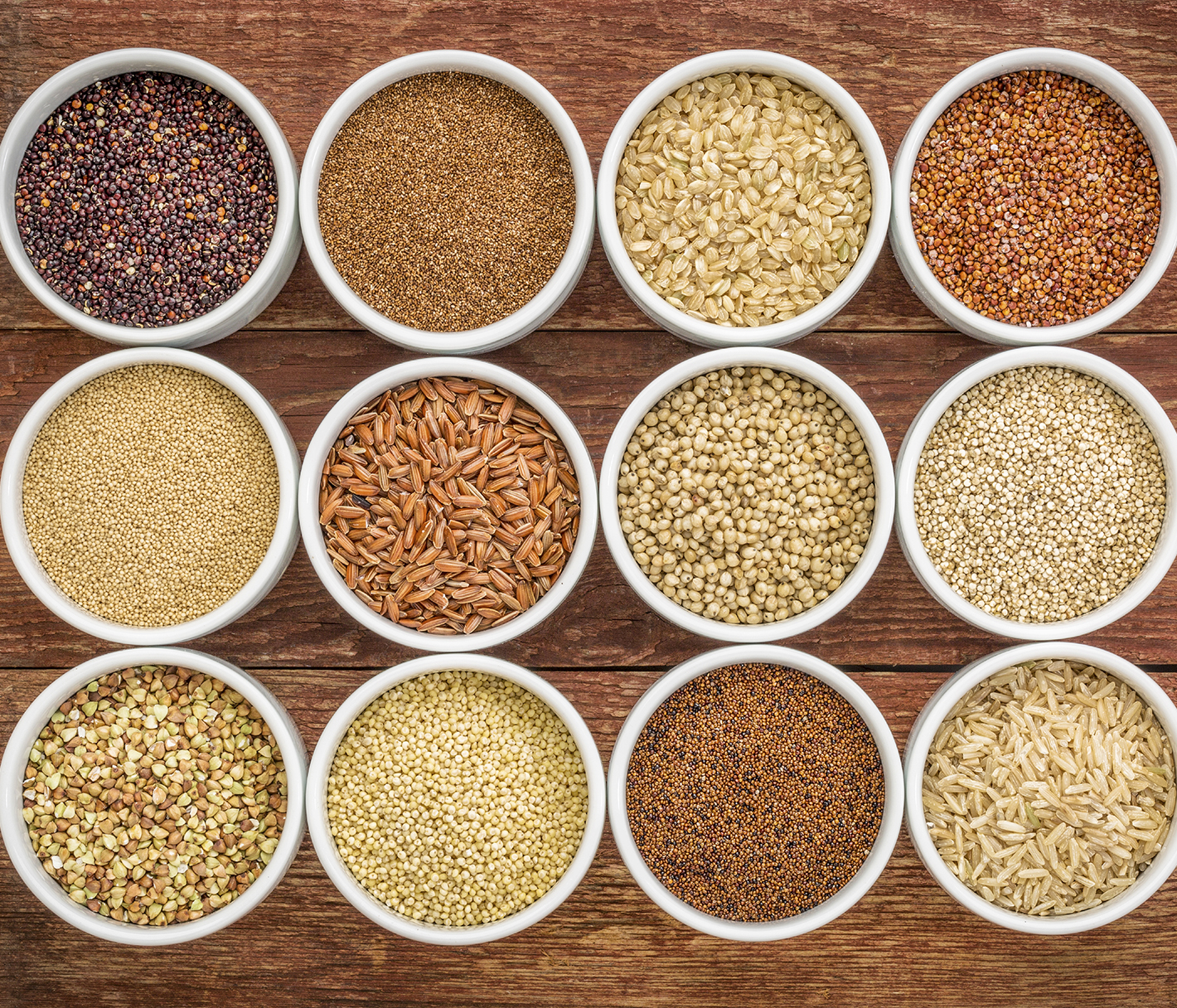
Clean label 2.0
More attention will focus on greater transparency of labels and simpler products with fewer additives.
Today more than ever, consumers are pushing manufacturers to use ingredients to produce food with so-called clean labels 2.0.
03
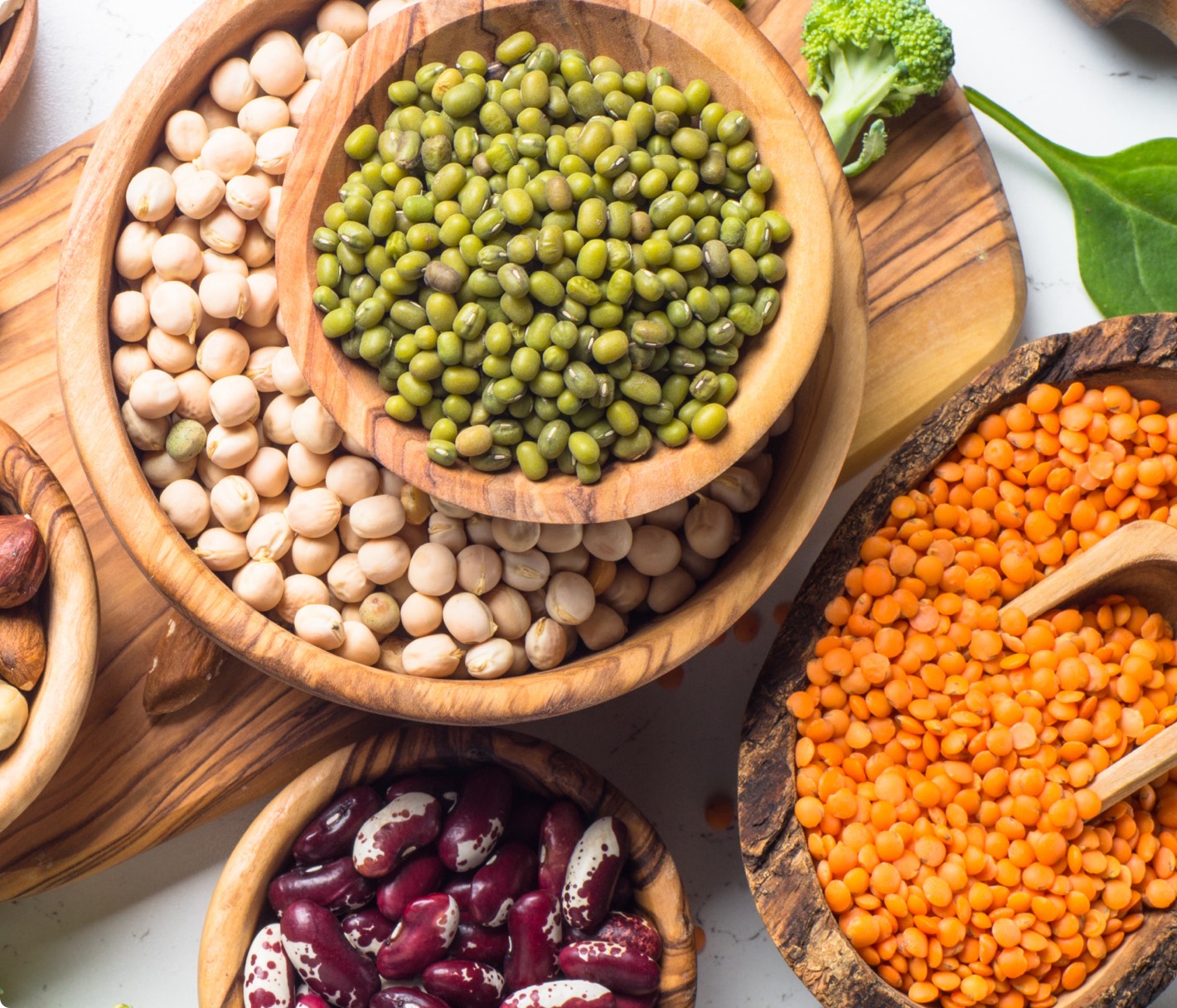
Increased regulatory standards.
Governments are adopting stricter food safety regulations in terms of quality standards; this creates unprecedented compliance risk and additional costs for companies.
04
Increased use of vegetable proteins.
Pea and hemp protein are popping up everywhere, in increasingly delicious smoothie powders, in nutrition bars, and even in trendy restaurants.
Plants could be the future of proteins. Plant-based meats will allow people to eat the traditional dishes they love with an eye to health, sustainability and animal welfare. Plant-based proteins are no longer a niche market for vegans or athletes.

05
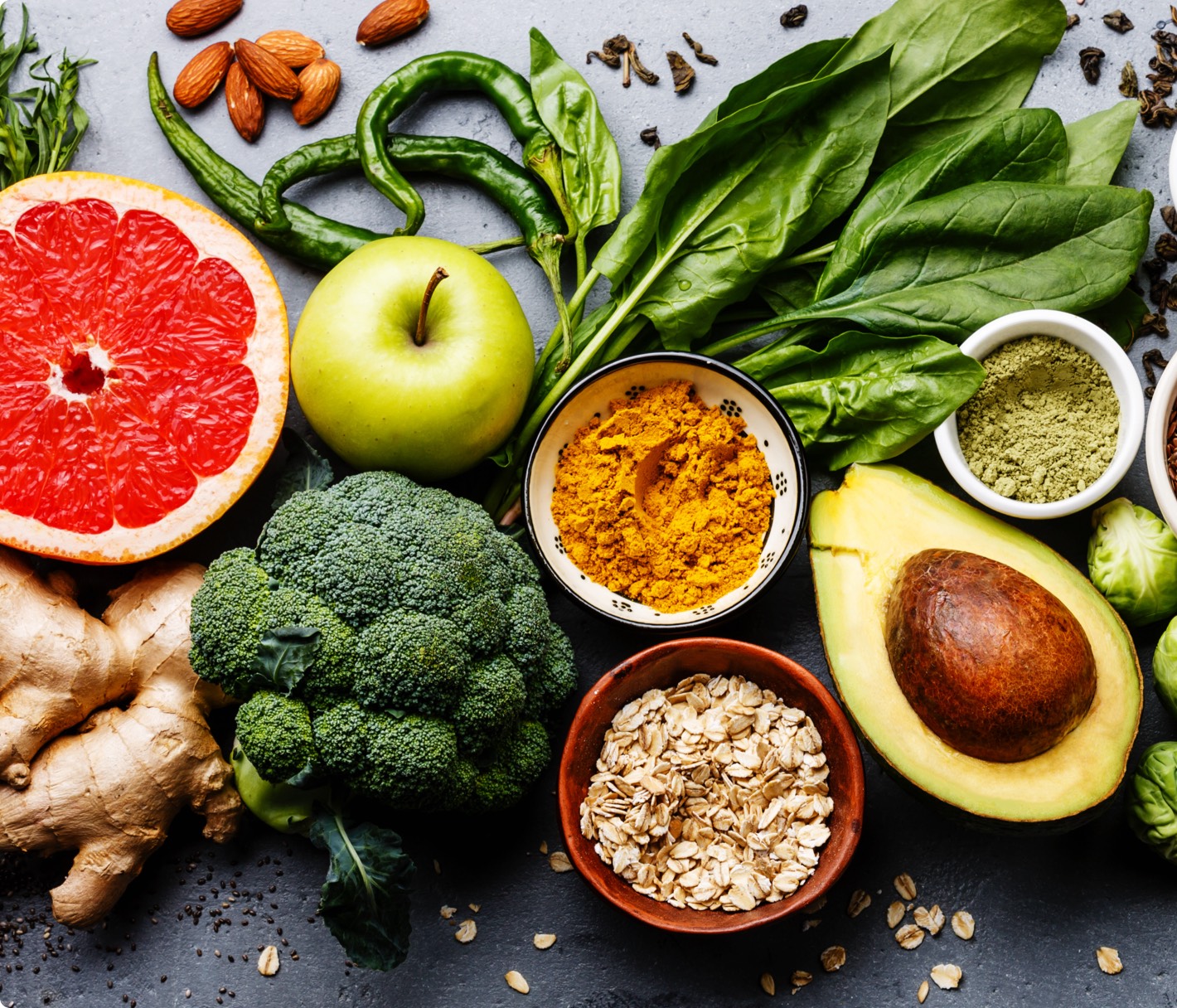
Concerns about sugar consumption
Scientific and official entity of OMS are focusing on dietary sugar levels and its role in the growth of obesity and chronic health problems globally.
06
Governments promote healthier and more sustainable diets
Government entities making recommendations to further reduce dietary cholesterol, make consumers aware of the risks of coronary artery disease or diabetes. At the same time, they are promoting recommendations for achieving healthy and sustainable diets.

07
Digitalization
Smartphones will become an indispensable tool for choosing food and living healthily.
Digital technologies will make it more possible than ever to bring this type of information to the everyday consumer. While the internet hasn’t fundamentally changed the shopping landscape yet, innovations encourage consumers to think outside of traditional brick-and-mortar retailers. The rise of food-centric media has sparked a new interest in cooking, not just for the sake of nurturing, but for the purpose of sharing one’s creations via social media.